
Featured Artist
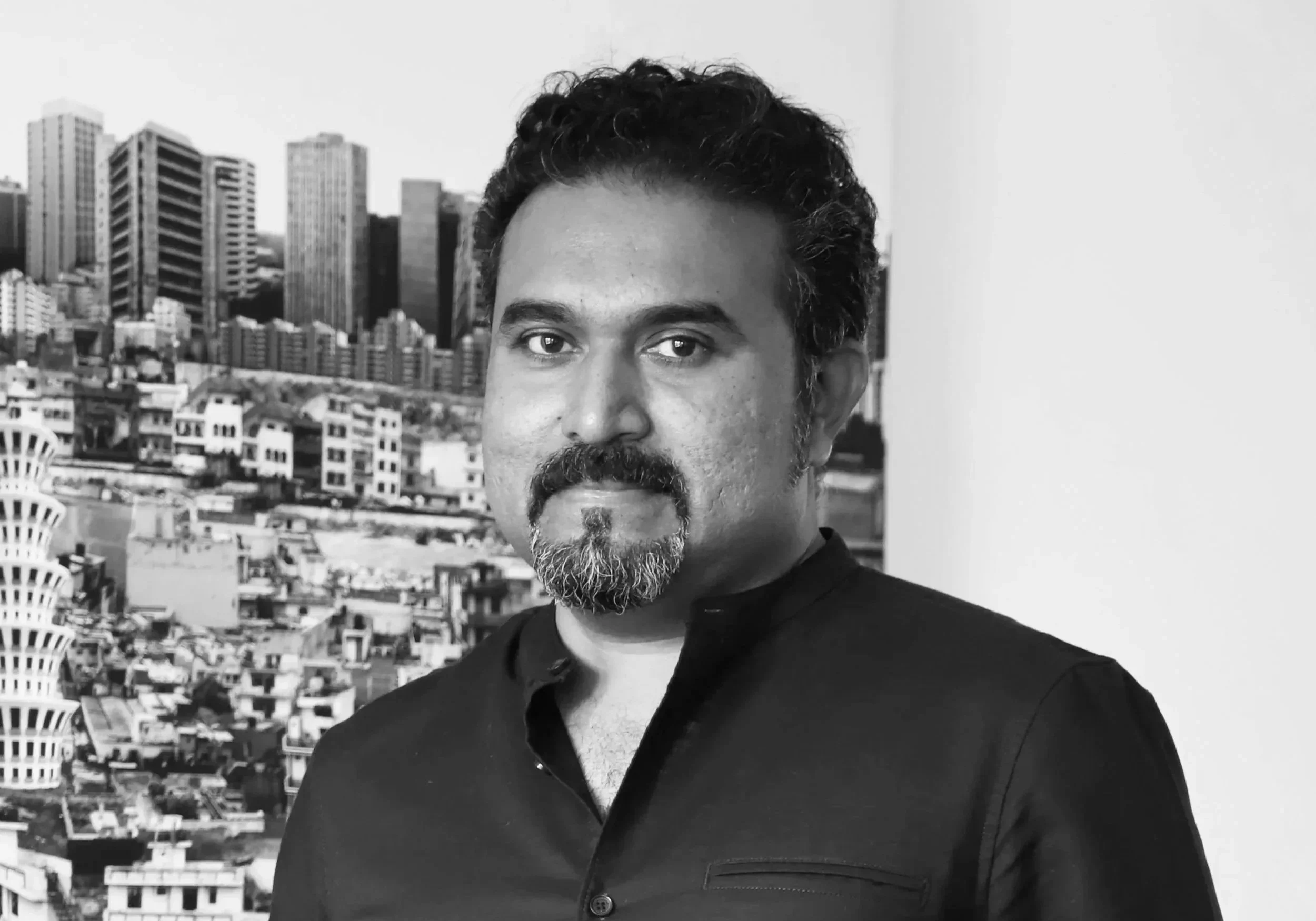
Gigi Scaria
Gigi Scaria (b. 1973, Kerala) is a New Delhi-based artist working across painting, photography, installation, sculpture, and video. His practice explores urban development, migration, economic shifts, and architecture, reflecting on how rapidly changing environments shape social and psychological experiences.
Since 2000, Scaria has exhibited widely in India and internationally, participating in major biennales and exhibitions, including the Venice, Singapore, and Kochi-Muziris Biennales. His work has been showcased at Mori Art Museum (Tokyo), Smart Museum (Chicago), Kunstverein Frankfurt, Ian Potter Museum (Melbourne), and Tel Aviv Museum of Art. In India, he has exhibited at the National Gallery of Modern Art, Jawahar Kala Kendra, and Lalit Kala Akademi. His cross-media approach continues to shape critical discourse on urban transformation.
Solo Artists
-

Ankit Dey
Ankit Dey is a new media artist based in Kolkata whose practice transforms space into a living, sensorial medium. Trained as a painter at the Government College of Art & Craft, Calcutta (BFA and MFA), Dey brings a deep engagement with light, shadow, motion, and materiality into his spatial interventions. His work sits at the intersection of installation, technology, and phenomenology, creating environments that are immersive, ephemeral, and perceptually charged.
Recent presentations of his work include exhibitions at CIMA Gallery and the Birla Academy of Art and Culture, Kolkata. He is currently developing The Moment Before Infinity, a large-scale interactive installation premiering at Jaipur Art Week 5.0. For Dey, the artwork extends beyond objects, becoming an experiential field where technology, material, and memory converge to reshape the viewer’s ways of sensing the world.
-

Ansh Kumar
Ansh Kumar is a contemporary artist based between Delhi and Rishikesh whose multidisciplinary practice explores play, perception, and the human traces that shape our world. Trained in architecture and self-taught across new media, projection mapping, sculpture, and natural building, he sees art as the “vocal cord” of society—accessible, expressive, and deeply connected to everyday life.
His public-facing projects, including Project the Window and Mind Blowing, transform streets and open spaces into sites of curiosity and interaction. As co-founder of Tiny Farm Lab, he integrates art, design, science, and bio-materials, creating collaborative works such as a mud house in Rishikesh built with volunteers from around the world. Ansh was recently selected for the India Art Fair Young Collectors’ Programme 2025, with his work exhibited internationally across eight countries and collaborations with Snapchat, Meta, and Adobe.
-
Arushee Suri
Arushee Suri is an artist and educator with an MFA from Central Saint Martins, University of the Arts London, and a BFA from the College of Art, New Delhi. Her multidisciplinary practice spans interactive installations, printmaking, painting, embroidery, and sculpture. Suri has taught printmaking to underprivileged adults in New Delhi and learning-disabled young adults in London, and has mentored residencies for the Printmaking Foundation of India (2018–19).
Her work has been exhibited across the UK, India, Singapore, Italy, the US, and Greece, at venues such as East Quay (Somerset), India Art Fair, Gillman Barracks (Singapore), State Museum of Contemporary Art (Greece), and Matts Gallery (London). Suri’s works are held in major collections including the Victoria & Albert Museum, Kiran Nadar Museum of Art, Jindal Steel, and Emami Foundation. She was the 2023 East London Printmakers Resident and a finalist for the Emerging Artist Award South Asia 2024.
-

Boris Colin Alphonse
Boris Colin Alphonse (b. 1992, Trivandrum, Kerala) is a multidisciplinary artist based in Baroda, India. With a dual background in engineering and fine art, his practice examines systems of measurement, representation, and ecological memory. Through speculative tools, equations, and spatial diagrams, he investigates new modes of presence and visibility, particularly within coastal and marginal landscapes.
His work has been exhibited at Chelsea Space, Tate Britain (Off Site), RuptureXIBIT, Cookhouse Gallery, and in collaborations with Tricontinental: Institute for Social Research, Paris Commune 150, and Forum Collective with Sotheby’s. Alphonse is a recipient of the UAL Postgraduate Scholarship, a contributor to Jinn Zine, and has completed residencies at Space Studio Baroda (2025) and 1Shanthiroad, Bangalore (2025). He holds a BTech in Electronics and Communication, a BFA in Painting, and an MA in Fine Art from Chelsea College of Arts, UAL.
-

Edgar Massegú
Edgar Massegú is a multidisciplinary artist whose meteoric rise has been marked by an expansive body of work spanning performance, sculpture, painting, poetry, photography, and music. His fluid movement between the dreamlike and the empirical evokes the Renaissance ideal of the total artist. A key representative of Drap-Art, the International Festival of Sustainable Art of Catalonia, Massegú has exhibited widely across New York, India, Italy, Dubai, Shanghai, Melbourne, Madrid, Barcelona, Japan, Iceland, Tunisia, France, and Egypt, earning numerous awards across visual and performing arts.
Driven by a commitment to social and ecological transformation, his practice resembles that of an alchemist, transforming waste into powerful visual narratives that challenge injustice and environmental neglect. Recently, he has created large-scale immersive environments including the 1,000-square-metre Tinglado in Tarragona, Sarriart School, his own House-Museum, and the Kastell in Púbol. In 2024, he will present a sculpture at Federico Fellini’s Birthplace and return to the Rakart Festival in Dubai, where he previously received First Prize for Installation.
-

James Johnson-Perkins
James Johnson-Perkins is a British award-winning artist whose practice has developed across Turkey, the USA, Slovakia, Italy, Nepal, Russia, Oman, China, and the UK. His work has been showcased at major institutions across Europe, Asia, and North America, including Ars Electronica Centre (Austria), Nord Art (Germany), The Emily Harvey Foundation (Venice), the Royal College of Art (London), the Chinese European Art Centre (Xiamen), Toyota Museum of Modern Art (Japan), Czong Institute for Contemporary Art (South Korea), Patan Museum (Nepal), and the Austin Museum of Digital Art (USA).
Johnson-Perkins received the Mediterranean Contemporary Art Prize – President’s Award (2021), was runner-up for the Alpine Fellowship Visual Arts Prize, and an award winner for the Art Observatory Digital Art Program. He has also been shortlisted for multiple international art prizes, including Airland 4.0 and the Passpartout Photo Prize.
-
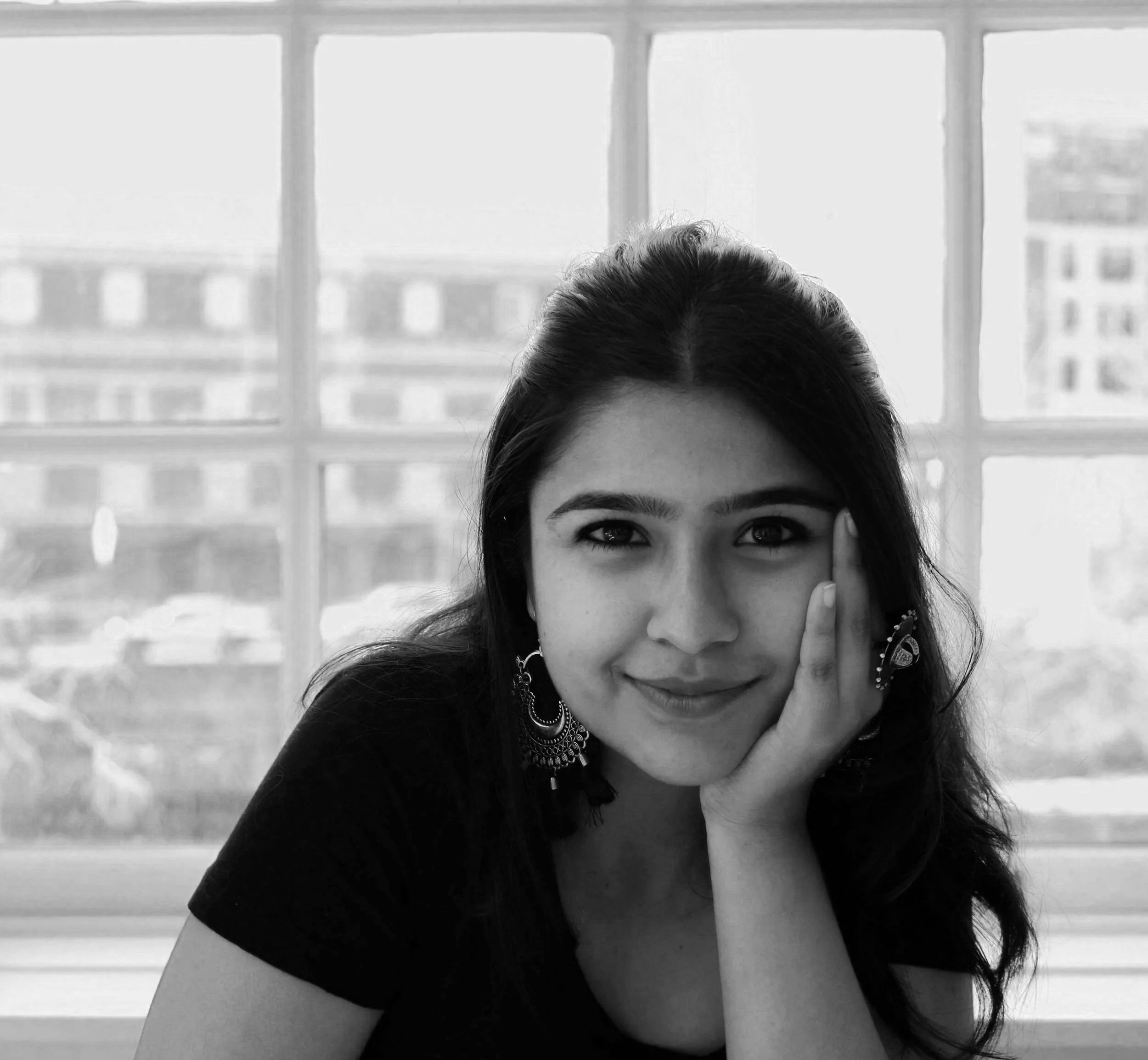
Kaanchi Chopra
Kaanchi Chopra is a nature-based artist and biodesigner whose practice explores the emotional, ecological, and material possibilities of living and discarded plant matter. She is the founder of Kohinoori, a social enterprise that collaborates with farmers and street vendors across Northern India to transform agricultural waste into sustainable paper and packaging. Rooted in research on native flora, circular design, and urban forest inequity, her work spans botanical preservation, material innovation, and large-scale plant-based archiving, including the collection of over 120 species in the past two years.
Chopra holds a BFA in Industrial Design and Sustainability Studies from RISD. Her work has been exhibited at the RISD Museum, COP28 in Dubai, Lincoln Center, Ki Smith Gallery, Gül Gallery, and No Vacancy Gallery. A TEDx speaker, she is currently an Inlaks artist-in-residence at UNIDEE, Cittadellarte in Italy.
-
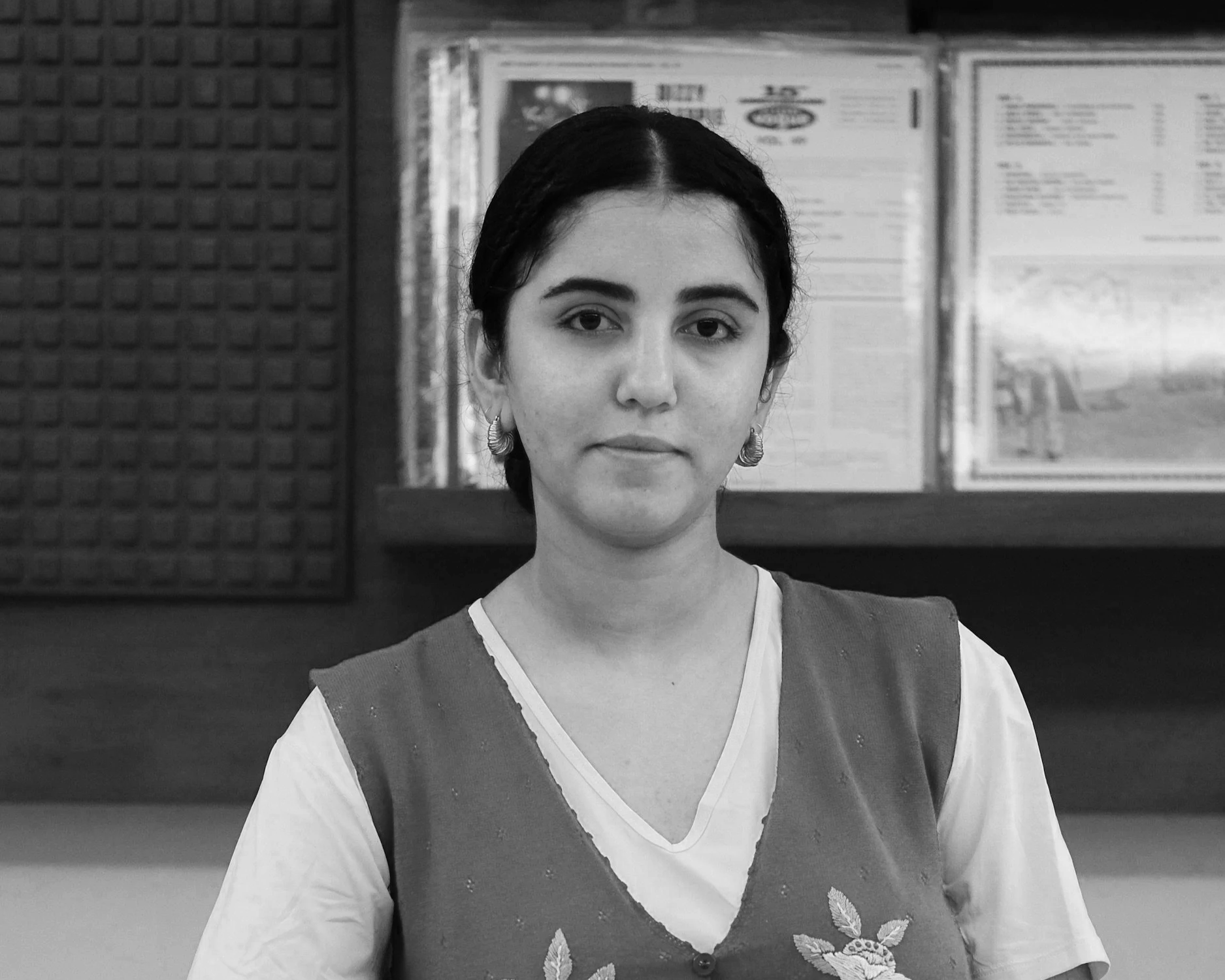
Maya Kumari Suthar
Maya Kumari Suthar is a spatial designer and artist whose practice merges narrative design, cultural inquiry, and future-oriented thinking through research-led, multimedia approaches. Born in Rajasthan in 1995 and raised in Dubai, she carries the dual influence of desert traditions and diasporic experience, sensibilities that shape the questions at the core of her work.
Drawing from dialogues with rural communities and the layered histories of Rajasthan, Suthar examines how land use, policy, and memory construct cultural identity. Her methods span archival research, drawing, moving images, textiles, and object-making, each offering a distinct entry point into complex narratives. Through immersive spatial interventions, she challenges singular perspectives and cultivates plural ways of seeing, sensing, and understanding the worlds we inhabit.
-

Mohd. Intiyaz
Mohd. Intiyaz is a Delhi-based visual practitioner whose work navigates memory, displacement, social disparity, and the politics of control. Born in Sahibganj, Jharkhand, he migrated to Delhi at a young age, growing up in the unstable conditions of the city’s slums, experiences that continue to anchor his artistic inquiry. His practice draws from everyday negotiations shaped by marginalisation, using lived realities as both subject and material.
Working across murals, drawings, installations, and assemblages, Intiyaz incorporates found objects, upcycled textiles, and sack cloth to examine public life and collective behaviour. His compositions, dense with figurative forms, layered patterns, and elements inspired by Delhi’s flora, fauna, and architecture, critically engage with the dynamics of crowds, power, and belonging. Through this visual language, he questions dominant attitudes while imagining alternative futures grounded in plurality and shared resilience.
-

Michael Shaw
Michael Shaw is a sculptor, curator, and educator with over 20 years of professional experience. He lectures in Fine Art at Loughborough University, UK, and served as the curator of the Burghley Sculpture Garden from 2005 to 2025 while simultaneously creating large-scale, site-specific inflatable sculptures in response to museum collections.
Shaw has presented multiple solo exhibitions across the UK and participated in group shows throughout Europe, the US, and Asia. His work has been featured at the Sydney Festival, the Balloon Museum US Tour, the V&A London, CICA Museum (Korea), and RAMM Exeter, among others. Complementing his exhibitions are numerous public commissions, residencies, and projects. Shaw holds a practice-based PhD (2005) exploring Donald Judd’s sculptural concept of Specific Objects, a foundation that continues to shape his integrated approach to making, curating, and teaching.
-
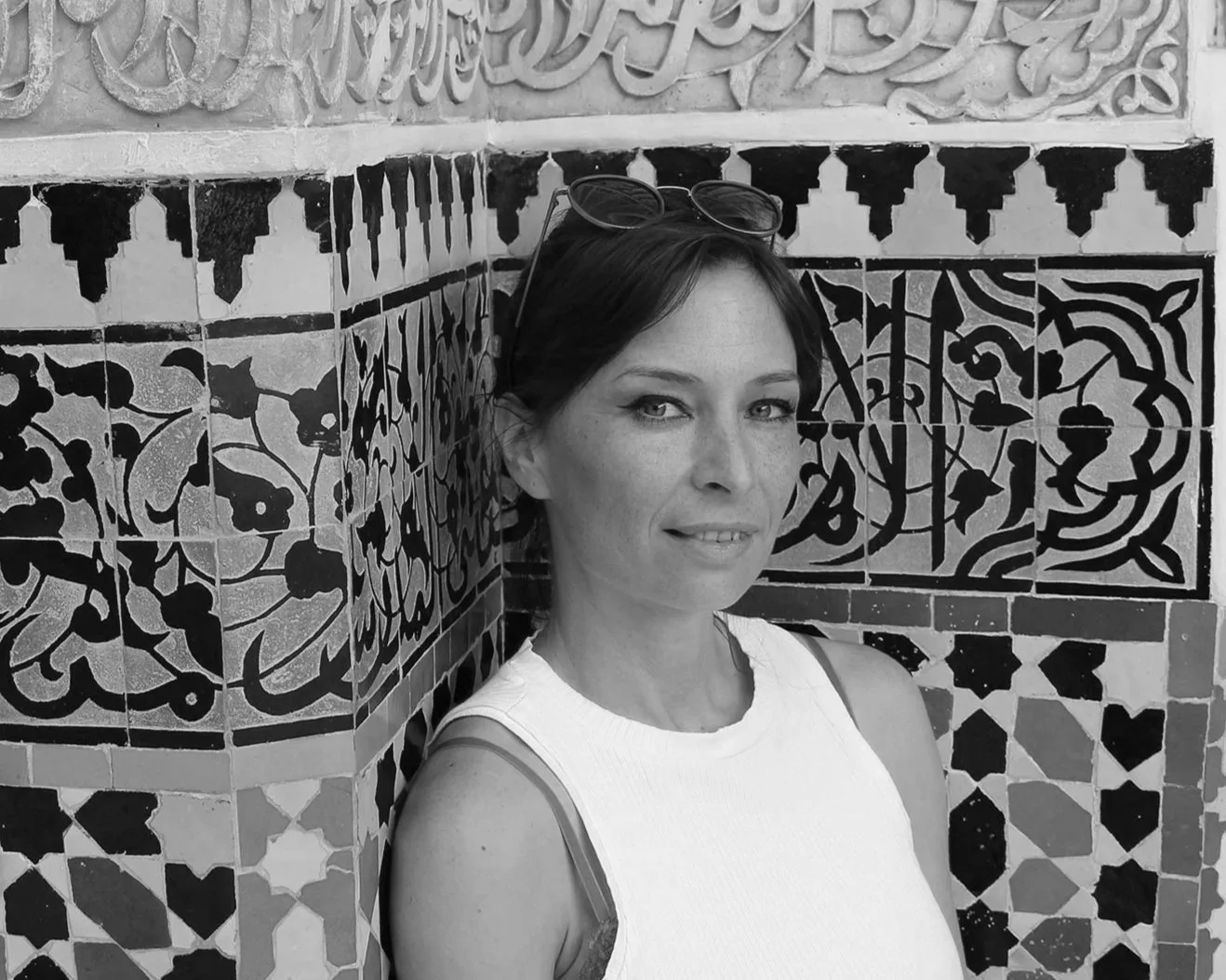
Natasa Galecic
Natasa Galecic (b. 1986, Belgrade, Serbia) is an artist, traveler, explorer, and educator based in Germany, whose practice is shaped by movement across cultures and environments. She holds a BFA in Painting from the Faculty of Fine Arts, Belgrade, and an MFA in Studio Art from Moore College of Art & Design, Philadelphia. Since 2022, she has been a Certified Practitioner of the Fractal Drawing Method.
From 2012–2014, Galecic worked with the Mural Arts Program in Philadelphia, developing expertise in public art and community engagement. Since 2020, she has led expressive art sessions for children both online and in person, supporting creativity and problem-solving, particularly among highly sensitive children and those with attention disorders. She is also the founder of Hosmology, a project reimagining the role of artists and curators in hospital environments. Galecic has participated in residencies across Serbia, Ireland, India, and Zambia, and has exhibited in more than ten countries. Her works appear in public and private collections in Austria, Ireland, India, the USA, Serbia, and Zambia.
-

Pascal Ungerer
Pascal Ungerer is an Irish visual artist specialising in oil painting, whose practice explores spatial cultures with a particular focus on peripheral and transitional landscapes. He holds a BA in Fine Arts (Hons) from MTU Crawford College of Art and Design (2016) and an MFA from Goldsmiths, University of London (2018), where he received the Goldsmiths Masters Scholarship, MFA Fine Art Fee Waiver, and the Goldsmiths Excellence Award.
Ungerer has exhibited widely across Ireland, the UK, and Europe, including at the Saatchi Gallery, Roman Road Gallery, The Visual Centre for Contemporary Art, CICA Museum (South Korea), and Blackburn Museum. His solo exhibitions include Speculative Artefacts (2023) and Other Ground at The LAB Gallery, Dublin (2025). A shortlisted finalist for the Robert Walters UK New Artist of the Year Award (2023), he has also received numerous awards, prizes, and Arts Council funding from across Ireland and the UK.
-
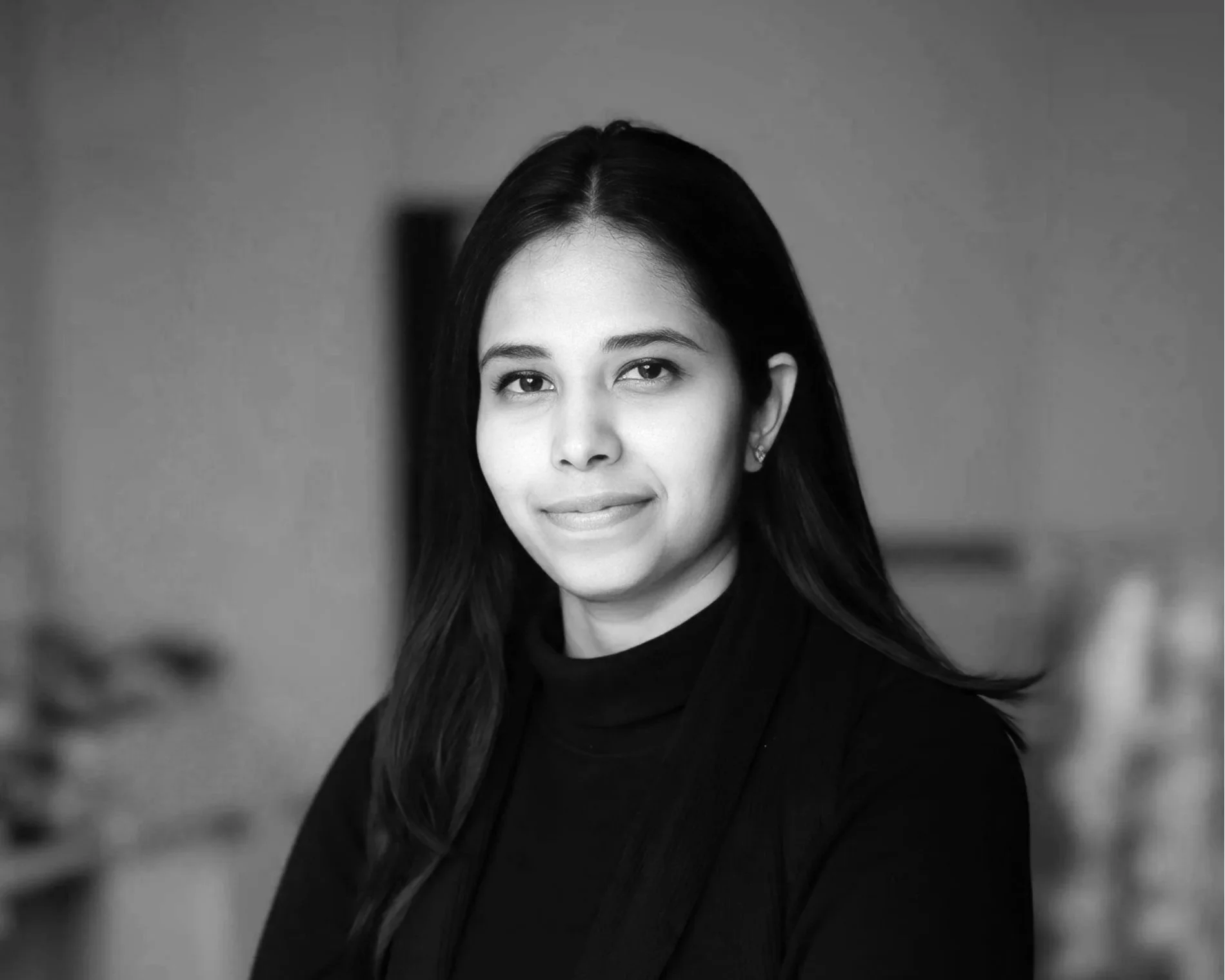
Poojan Gupta
Poojan Gupta (b. 1998, Jaipur) is an artist working between London, Oxford, and Jaipur, with a multidisciplinary background spanning contemporary art, design, philosophy, and medical science. Her practice centers on the transformation of discarded pharmaceutical blister packs, exploring how everyday waste can be reimagined through material, cultural, and ecological inquiry.
Drawing on minimalist aesthetics, environmental consciousness, and the ritualistic forms embedded in her cultural memory, Gupta creates large-scale sculptural installations that elevate the disposable into the numinous. In her work, these once-forgotten objects gain presence, value, and symbolic resonance. Ultimately, she sees her practice as a call for shifting sensibilities—inviting viewers to reconsider materiality, care, and the quiet narratives held within the mundane.
-

Zoya Chaudhary
Zoya Chaudhary is an India-born, Singapore-based artist whose practice explores perception, subjectivity, and memory through non-narrative, materially driven forms. Working across installation, cut-out collage, drawing, and painting, she examines how cultural, physical, and temporal vantage points shape the way we see, often disrupting familiar patterns and archival material to question stability, meaning, and the intimacy of knowing. Her interest in pluralistic systems, rooted in her upbringing, unfolds through geometric forms and spatial interventions that challenge conditioned modes of perception.
Zoya completed her Applied Arts degree in Mumbai in 2005 and later worked as a visual artist, designer, illustrator, and theatre designer in India. Since moving to Singapore in 2011, she has exhibited widely across Asia and internationally. In 2021, she earned an MA in Fine Arts from LASALLE College of the Arts, receiving the Dr. Winston Oh Travelogue Award. Her works are held in private collections worldwide, and she was a finalist for The Arts Family TAF Award 2024. She is represented by Blueprint 12 Gallery, India.
Group Show Artists
-

Aditi Patwari
Aditi Patwari is an India-born textile artist and designer whose multidisciplinary practice spans textiles, design, marketing, and international business. Working through weaving, surface design, and material-led experimentation, she explores duality, shifts between inner and outer worlds, and the deconstruction and reconstruction of cultural and architectural vocabularies. Her works translate lived experiences into layered textile forms, reflecting an ongoing process of internal globalization shaped by her movement across India, the UK, and the UAE. Rooted in a study of diverse lifestyles and philosophies, her practice examines how shared aesthetics and lived experience can create connective cultural space.
Aditi holds a BA (Hons) in Textiles from Arts University Bournemouth and an MSc in International Business from Hult International Business School. In 2019, she founded her bespoke textile brand Dea, which also embodies her artistic identity. She has exhibited across the UAE, US, UK, Germany, Italy, China, and Singapore, and her work has been featured in Harper’s Bazaar Art, Architectural Digest ME, The National AE, and Khaleej Times. She is currently engaged in research on cultural formation and the connective potential of shared aesthetic systems.
-

Aman Kumar Bavariya
Aman Kumar Bavariya is a Jabalpur-based painter whose practice draws from the rhythmic logic of weaving to explore memory, labour, and domestic life. Working primarily with acrylic on canvas, he builds finely layered brushstrokes that echo the tactile qualities of handwoven fabric, an influence rooted in childhood memories of his grandmother’s craft. Rugs, doormats, female figures, and everyday household objects appear as recurring motifs, transforming rural and domestic references into intimate visual meditations on care and embodied knowledge.
Aman holds an MFA in Painting from the Government College of Fine Arts, Jabalpur (2025). His work has been exhibited at the Kochi Students’ Biennale (2025), Method Gallery, and Space Studio. He is a recipient of the Kala Sakshi Art Scholarship (2024) and the MAIR Residency, and his paintings are held in collections across Mumbai, Delhi, and Vadodara.
-

Ayantika Sajwal
Ayantika Sajwal (b. West Bengal) is a visual artist based in Baroda whose practice spans clay, metal, leather, and hybrid sculptural processes. Drawing from the material-centred ethos of Shantiniketan and the industrial, multidisciplinary environment of Baroda, she explores memory, rupture, and the body as a site of vulnerability and endurance. Her sculptural language emerges through tactile experimentation, where material behaviour becomes a way to reflect on personal and collective histories.
Ayantika holds a Bachelor’s degree in Ceramics and Glass from Kala Bhavana, Shantiniketan, and a Master’s in Sculpture from The Maharaja Sayajirao University of Baroda. She has exhibited at Bikaner House, Exhibit 320, and Conflictorium, and is represented by Studio Catalyst. She is a recipient of the Maati Foundation Scholarship, the Kala Sakshi Grant, and several artist residencies.
-

Dhruv Poddar
Dhruv Poddar (b. 1999, Assam) is a multidisciplinary artist based in Vadodara whose practice draws from the cultural and ecological landscape of Guwahati. Working across sculpture, installation, painting, video, photography, text, and found objects, they examine power, marginalisation, and ecological collapse through satire, symbolism, and playful critique. Childhood materials, games, toys, learning tools, recur as conceptual devices, shaping immersive environments that probe social and political realities with disarming clarity.
Dhruv holds degrees in Animation & Multimedia (2020), a BVA in Sculpture (2023), and an MVA in Creative Sculpture (2025), all from MSU Baroda. Their work has been exhibited at Dhoomimal Gallery and Triveni Kala Sangam. They are a recipient of the Jeram Patel Award, the Shri Babubhai Jashbhai Patel Gold Medal, the Hyundai Art for Hope Grant (2024), and were a finalist for the Global Art Awards (2018).
-

Parth Itwala
Parth Itwala (b. 2001, Vadodara) is a visual artist whose practice explores shifting urban landscapes through memory, displacement, and socio-political change. Trained in Painting at the Faculty of Fine Arts, MSU Baroda (BVA 2023, MVA 2025), he reflects on Baroda’s rapidly transforming cityscape, particularly the impact of the Smart City Project, through photo documentation, montage, collage, and image-transferred painting. His works emerge from walking, cycling, and collecting, weaving found objects, popular culture, and text into layered visual narratives shaped by nostalgia, rupture, and absence.
Parth has exhibited at Abir India First Take, Ecriture, Pristine, and in the Nasreen Mohamedi Scholarship displays. He was a 2024 Kala Sakshi artist-in-residence and is a recipient of the Nasreen Mohamedi Scholarship. He is represented by Studio Catalyst by Anant Art.
-

Ridam Kumar
Ridam Kumar is a sculptor from Motihari, Bihar, whose practice explores migration, surveillance, movement, and illusion through kinetic form. Currently pursuing a Bachelor’s in Sculpture at the Faculty of Fine Arts, Maharaja Sayajirao University of Baroda, he draws on personal memories, long train journeys, and the emotional terrains of displacement to build intimate mechanical worlds.
Rooted in a lifelong fascination with flight and simple engineering, Ridam constructs kinetic sculptures that merge traditional craft with accessible technologies. Working with wood, papier-mâché, ceramic, brass, and electronic components, he creates subtle gestures, tapping feet, flapping oars, shifting eyes, that open deeper narratives of longing, observation, and identity. His works transform everyday objects into metaphors of burden, connection, and the invisible movements that shape human experience.
-
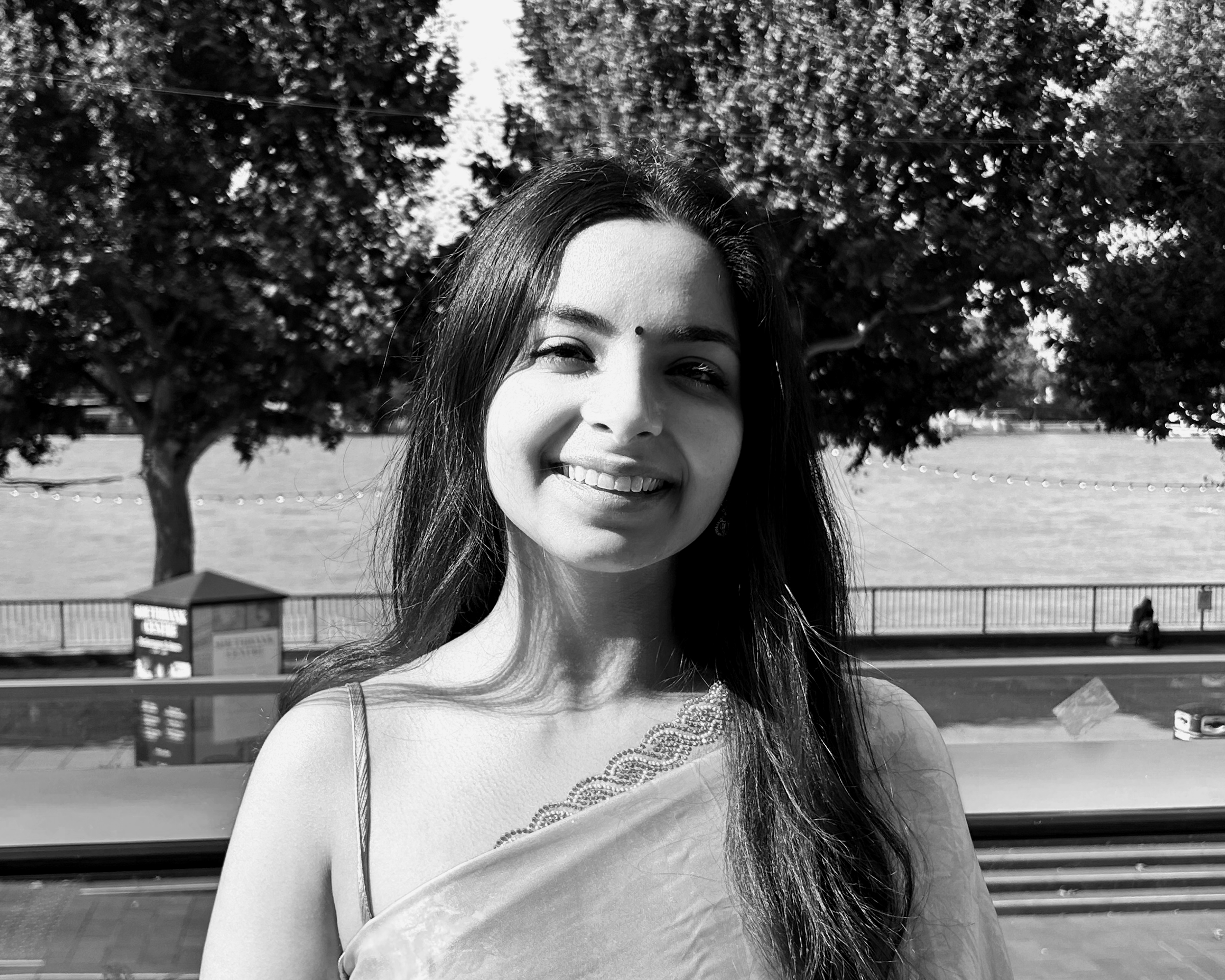
Riya Bhagat
Riya Bhagat is an experiential designer and multimedia artist whose practice explores care as both method and mindset. Working at the intersection of biology, design, and storytelling, she creates speculative narratives and participatory experiences that invite audiences to imagine new rituals of environmental and material connection. Her work constructs symbiotic futures within more-than-human ecosystems, often reframing extractive systems through imaginative world-building and material experimentation.
Riya holds an MA in Information Experience Design from the Royal College of Art. Drawing from nature, heritage, and everyday rituals, she develops multimedia installations and workshops that examine evolving relationships between humans, technologies, and the non-human world. With a background spanning communication, set, and museum design, her practice moves fluidly across mediums. Her work has been exhibited internationally across museums, film festivals, and cultural institutions, positioning her as an emerging voice in speculative design and material futures.
-
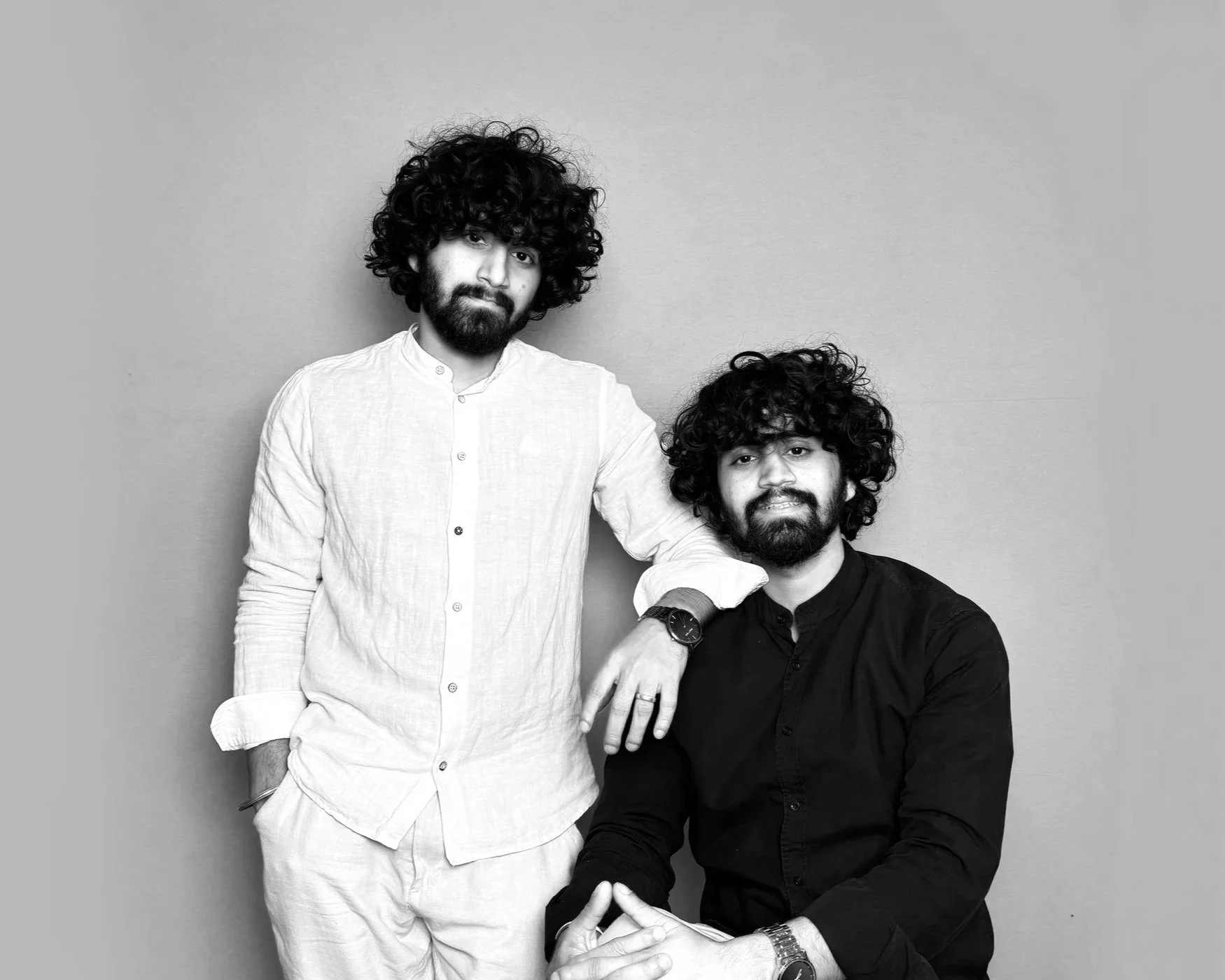
Roshan and Rohan Anvekar
Roshan and Rohan Anvekar are multidisciplinary twin artists whose collaborative practice navigates the relationships between self, society, and the cosmos. Working across painting, drawing, sculpture, installation, and mixed media, they construct surreal metaphors and symbolic narratives drawn from everyday life, nature, mythology, and philosophical inquiry. Their shared visual language blends introspection with social critique, creating poetic spaces that reimagine contemporary experience.
Rohan holds a BFA and MFA in Creative Painting from Sir J.J. School of Art, Mumbai, while Roshan completed his BFA at Sir J.J. Institute of Applied Art and his MFA in Painting at IKSV, Khairagarh. Their work has been exhibited at Galleria Nvya, Triveni Kala Sangam, Travancore Palace, and the Korea Art Biennale, among others. They are recipients of the Amar Nath Sehgal Grant and multiple national awards.
-

Sumit Naik
Sumit Naik is a contemporary figurative artist based in Corlim, Goa, whose practice bridges the structural possibilities of paper with the emotional depth of hyperrealism. Working primarily with charcoal on meticulously crafted paper forms, he folds, cuts, and shapes the material into architectural frameworks that act as the foundation for his intimate figurative drawings.
Influenced by urban architecture and spatial memory, Sumit creates surfaces where abstraction meets realism, allowing the paper to function as both structure and metaphor. Through meditative layers of charcoal, he captures fleeting emotions and vulnerable inner states with striking clarity. His works invite viewers into quiet, contemplative encounters that reveal the nuanced complexities of human experience.
-
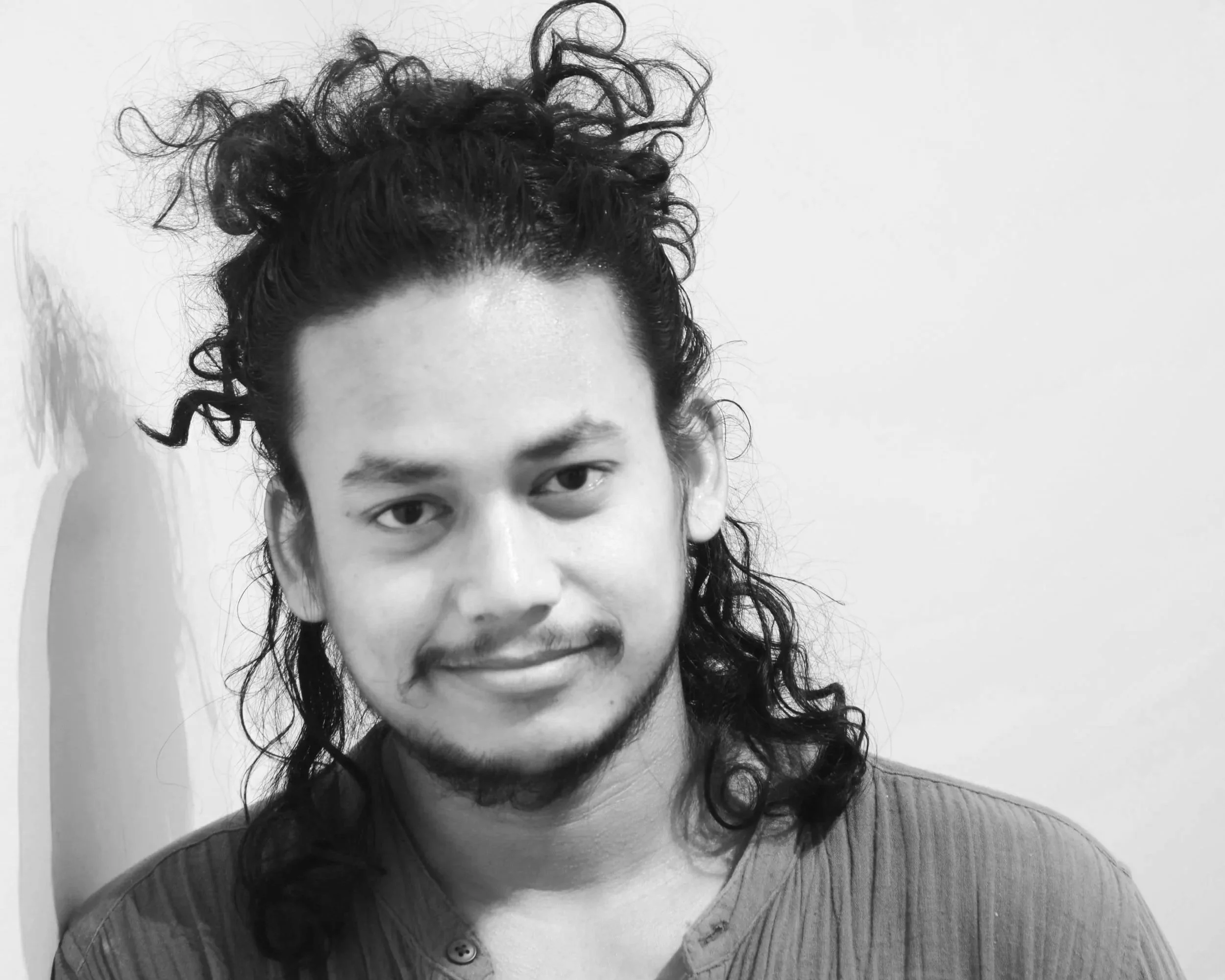
Subhash Deka
Subhash Deka (b. 1997, Sarthebari, Assam) is a sculptor whose practice is rooted in the cultural and natural rhythms of his upbringing. He draws inspiration from the subtle movements of the environment, swaying banana leaves, shifting winds, changing rain patterns, translating these fleeting sensations into sculptural form. His work blends observation, memory, and material sensitivity, often echoing the sensory landscapes of Sarthebari and the quiet intimacies of rural life.
Subhash holds an MFA in Sculpture from Indira Kala Sangeet Vishwavidyalaya, Khairagarh (2023), and a BFA in Sculpture from Kokrajhar Music and Fine Art College (2021). Through his sculptures, he invites viewers into contemplative spaces where nature, nostalgia, and cultural connection merge.
-
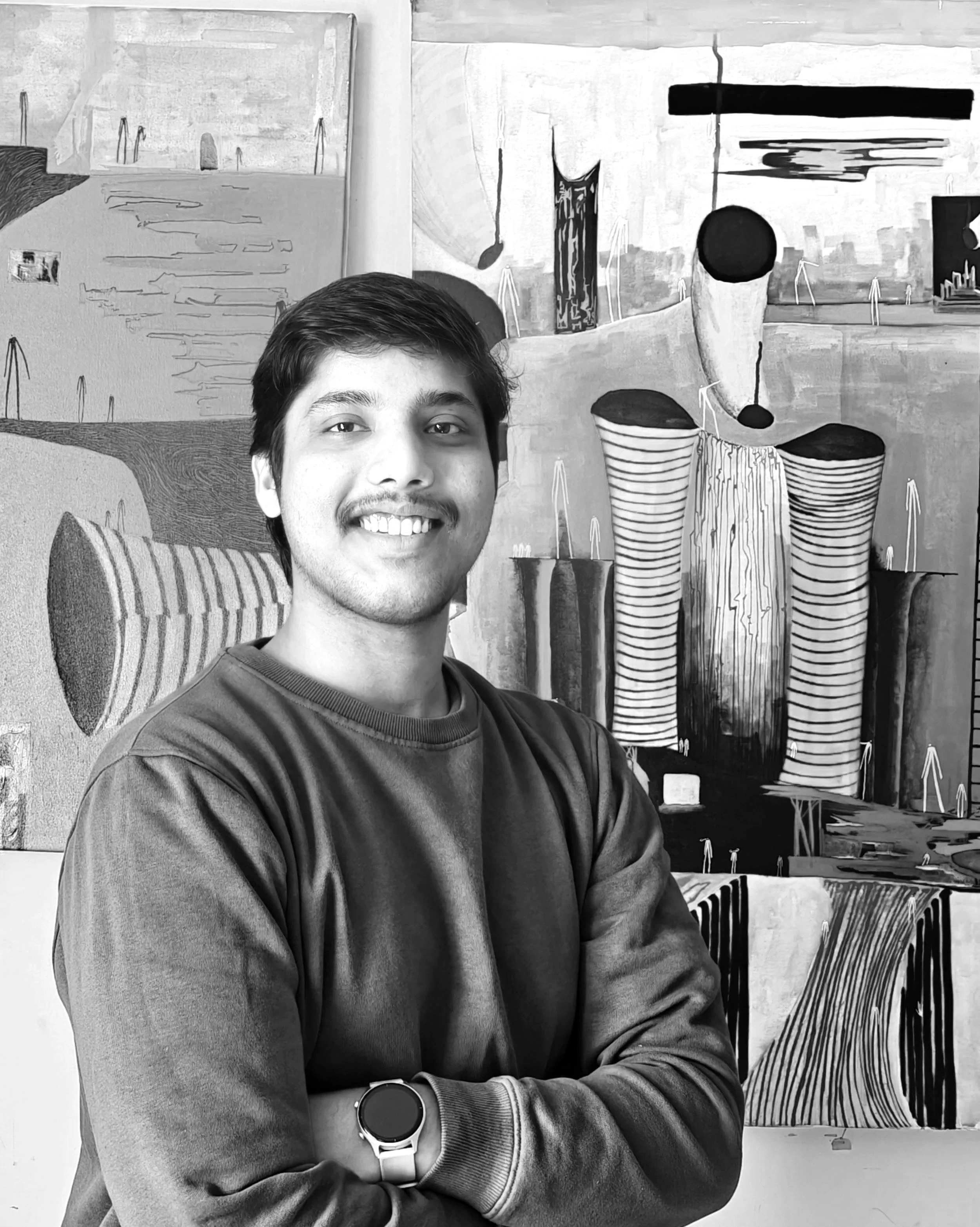
Yash Choudhary
Yash Choudhary is a visual artist from Jaipur whose practice emerges from the sensory and emotional textures of urban life. Transforming everyday city moments, traffic, fading architecture, shifting crowds, and familiar street rhythms, into expressive abstractions, he works through memory and sensation rather than direct representation. Using fractured geometric forms, bold colour juxtapositions, and intuitive mark-making, Yash reflects on Jaipur’s evolving identity, a place he characterises as a “dystopia after the utopia,” where tradition and modernity continually collide.
Rooted in close observation, his non-representational compositions reimagine ordinary scenes, pre-dawn fog, street corners, discarded objects, into visual metaphors for change, alienation, and connection. His paintings offer a poetic and critical reflection on the contemporary city and its shifting emotional undercurrents.
-

Yashika Goel
Yashika Goel is an interdisciplinary artist and designer whose practice interrogates the systems shaping emerging technologies while imagining subversive futures. Working across new media, code, installation, sound, film, and sculpture, she creates experiential narratives that explore how human and non-human identities are entangled within today’s technological paradigm. Rooted in feminist thought and community-driven methodologies, her work develops participatory frameworks that question algorithmic bias and propose alternative modes of making and experiencing AI.
Her graduate project Machine Yearning (2024) embodies this approach through an AI model that generates meaning from shared stories of female yearning, disrupting conventional machine-learning systems through intimacy and oral histories. A Lumen Prize Finalist (2025), the work has been exhibited at the Victoria and Albert Museum, Peckham Digital, and the Royal College of Art. Her broader practice has shown internationally across museums, festivals, and cultural institutions.
Digital Exhibition
-
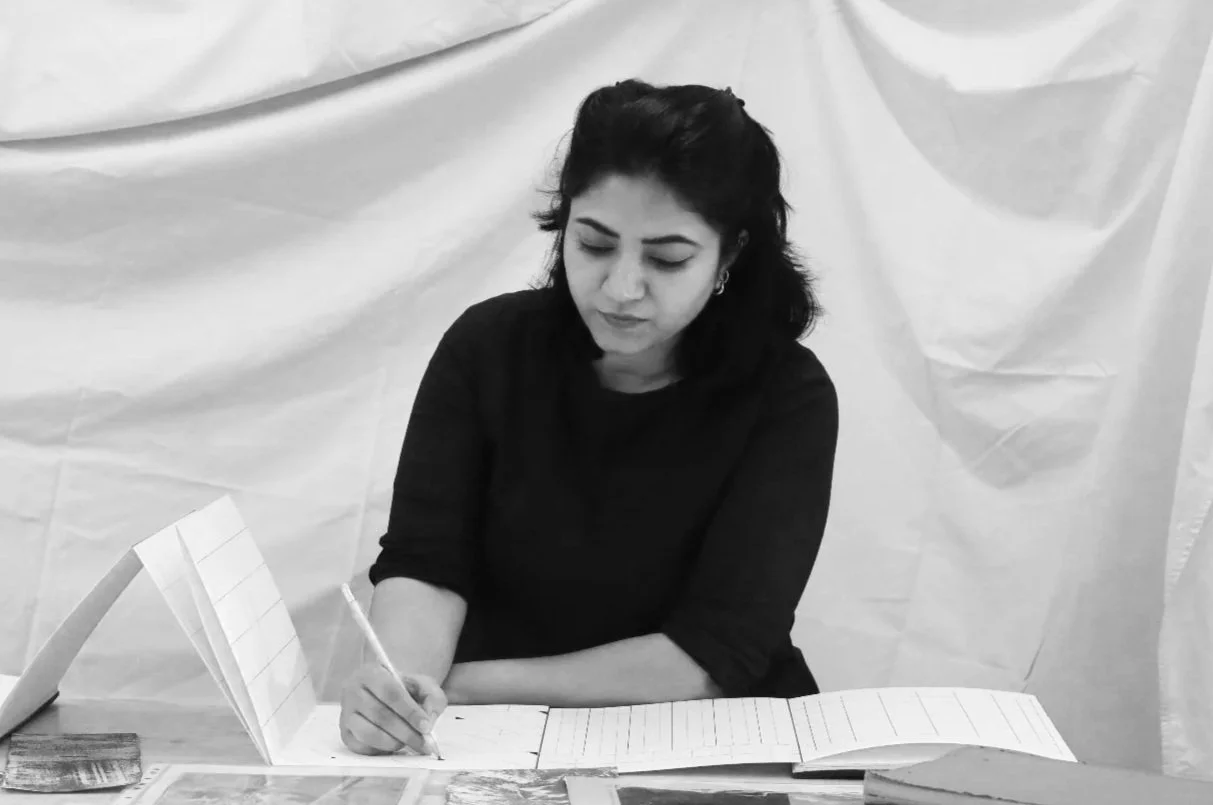
Aditi Aggarwal
Aditi Aggarwal (b. 1987, New Delhi) is a visual artist whose practice spans digital photomontage, painting, collage, and alternative photographic processes. She holds a PhD in Visual Studies from the University of Delhi (2023) and is a recipient of The Odyssey Fellowship by The Alternative Art School (2024). Her projects include the Future is Born of Art commission by India Art Fair and BMW India (2023) and the Indo-European Residency Project, Kolkata (2019), organised by the British Council, Goethe-Institut/Max Mueller Bhavan, and Alliance Française du Bengale. Her solo exhibition Recent Works (2016) was curated by Amal Allana at Art Heritage II, New Delhi.
Aditi’s practice examines the layered conditions of contemporary life shaped by fragmented urbanities, ecological memory, and overlapping temporalities. Treating image-making as both archival and durational, she works through slow, repetitive, and physically enduring processes of layering, erasure, and return. Through muted palettes, grids, and subtle interventions, hand-drawn or embroidered, she explores tension, ambiguity, and affect. Her works hold space for dissonance rather than resolution, functioning as evolving documents of time, endurance, and emotional states. She lives and works in Delhi NCR and co-runs Studio A89, Kaladham, an artist-led space dedicated to painting and analogue image-making as contemporary inquiry.
-

Āyāhi
Āyāhi is an experiential art atelier that merges light, sound, movement, and data to create immersive sensorial environments. Working across generative digital art, interactive installations, audiovisual performances, and theatrical productions, the studio uses technology as a creative instrument to expand the possibilities of artistic experience. Their practice often engages conceptual and abstract themes that resist conventional art forms, positioning new media as both language and methodology.
Founded by Mrityunjay and Vinay, creative practitioners from music, performance, technology, and digital art, Āyāhi explores how new media can enter global cultural lineages. Drawing from the confluence of Western scientific-technological thought and Eastern philosophies of being and spirituality, their work transforms diverse lines of inquiry into embodied artistic questions. Together, they build bespoke audiovisual worlds that challenge perception, explore material and immaterial states, and rethink how contemporary art can hold space for evolving modes of experience.